Выгул собак in 2024: what's changed and what works
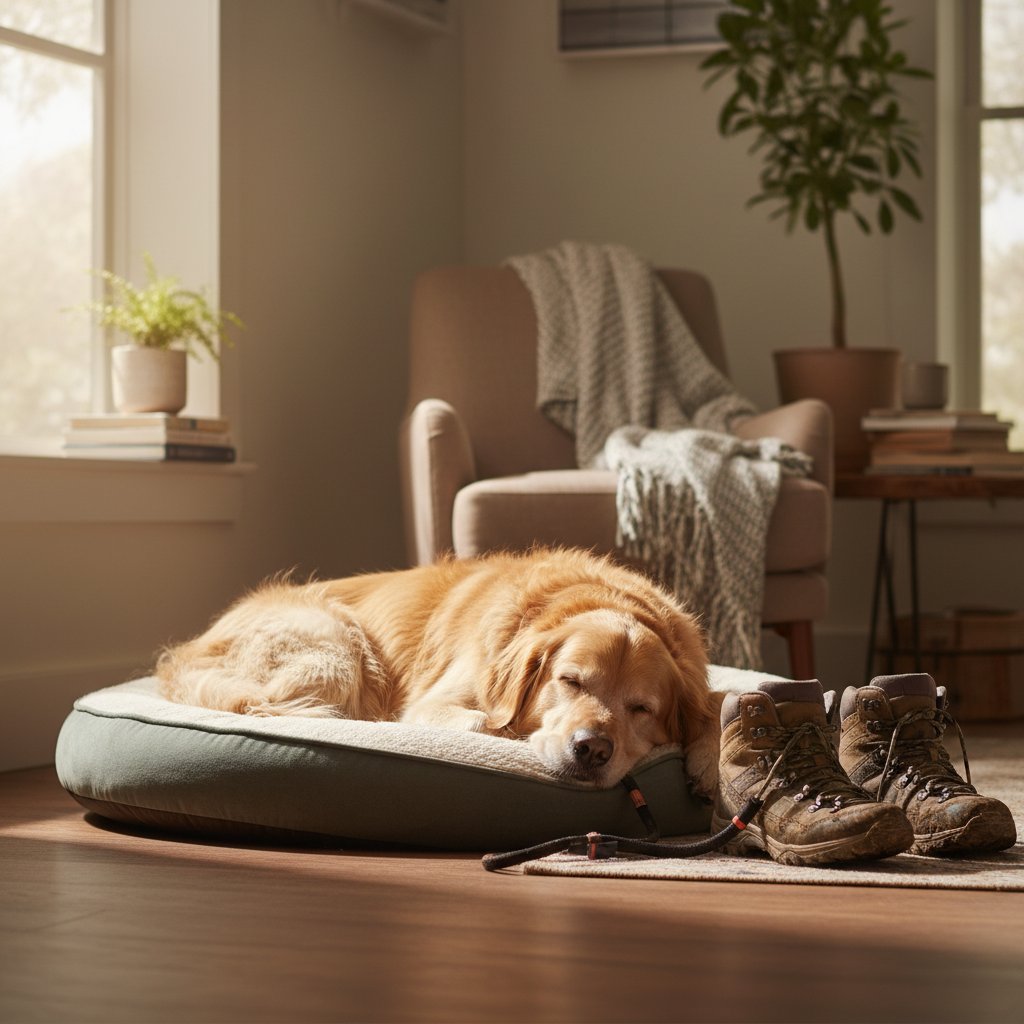
The dog walking scene has evolved dramatically over the past year. Between tech innovations, shifting urban policies, and post-pandemic lifestyle changes, taking Fido around the block isn't what it used to be. Here's what actually matters for dog walkers in 2024.
1. GPS Tracking Has Become the Industry Standard
Remember when hiring a dog walker meant hoping they'd actually show up? Those days are gone. About 78% of professional walking services now use real-time GPS tracking apps that let owners watch their pup's route live. Apps like Rover and Wag have made this baseline, but even independent walkers are using affordable solutions like Life360 or custom pet-care platforms.
The game-changer isn't just seeing where your dog went—it's the data. You get exact walk duration (no more "approximate 30 minutes"), distance covered, and even pee break locations. Some walkers send photo updates at specific GPS coordinates, proving your terrier actually made it to the park and didn't just circle the block three times.
2. Off-Leash Areas Are Shrinking (But Getting Better)
Cities across North America and Europe have reduced off-leash zones by roughly 15-20% since 2023, mostly due to complaints from non-dog owners and liability concerns. The silver lining? The remaining designated areas are actually funded now. Vancouver added $2.3 million to off-leash park maintenance last year, including proper fencing, water stations, and waste management.
Smart walkers have adapted by joining local dog park associations—these groups often get advance notice of policy changes and sometimes negotiate extended hours. In Brooklyn, the Prospect Park Dog Owners Association secured 6am-9am off-leash privileges even after general restrictions tightened. Membership costs about $40 annually and includes liability insurance.
3. The 30-Minute Walk Is Dead
Veterinary guidelines updated in late 2023 now recommend breed-specific exercise duration, and it's changing how services price their time. A Shiba Inu needs 60-90 minutes of activity daily, while a Basset Hound does fine with 30-40 minutes. Cookie-cutter half-hour walks don't cut it anymore.
Progressive walking services now offer tiered pricing: 20-minute "bathroom breaks" for senior dogs ($18-25), 45-minute "standard walks" ($28-35), and 90-minute "adventure walks" for high-energy breeds ($50-70). The shift reflects actual canine needs rather than human convenience, and clients are willing to pay for customization that prevents destructive behavior at home.
4. Liability Insurance Isn't Optional Anymore
Here's the scary part: dog bite claims jumped 32% in 2023, with average payouts hitting $64,000. Most homeowner's insurance policies now explicitly exclude coverage for dog-related incidents that occur during paid walking services. If you're walking dogs for money without dedicated liability coverage, you're one nip away from financial disaster.
Professional policies run $350-600 annually for $1-2 million in coverage. Companies like Pet Care Insurance and Business Insurers of the Carolinas offer walker-specific plans that cover bites, property damage, and even lost dog search costs. Some municipal licenses now require proof of insurance before issuing permits—Chicago and Austin implemented this requirement in early 2024.
5. Reactive Dog Specialists Are the Highest Earners
The premium service niche in 2024? Handling reactive, anxious, or aggressive dogs. Walkers with certification in canine behavior modification charge $65-120 per session, roughly double the standard rate. The demand exploded because pandemic puppies—now 3-4 years old—often missed critical socialization windows.
Getting certified through programs like the Certification Council for Professional Dog Trainers (CPDT) takes 3-6 months and costs around $600-900, but the ROI is immediate. One Brooklyn-based walker reported her income jumped from $38,000 to $71,000 annually after completing her CPDT-KA certification and specializing in fear-aggressive rescues. She now maintains a waitlist.
6. Weather Cancellation Policies Got Stricter
Extreme weather events increased 40% globally in 2023, and it's affecting scheduling. Most services now have explicit temperature thresholds: no walks above 85°F (29°C) for brachycephalic breeds, and mandatory booties below 20°F (-6°C) for all dogs. These aren't suggestions—they're contractual requirements with no-refund clauses if owners insist otherwise.
The flip side is dynamic pricing during mild weather windows. Some walkers charge 25-30% premiums for same-day bookings during unexpected nice days, knowing demand spikes when a cold snap breaks. It's surge pricing for dogs, and it works because owners would rather pay extra than deal with a cooped-up husky demolishing their couch.
7. Group Walks Are Back (With Strict Vetting)
After years of solo walks dominating post-COVID, pack walks returned in 2024—but with entrance requirements that rival private schools. Dogs need current vaccination records, behavioral assessments, and often a trial period. Maximum group size dropped from 6-8 dogs to 4-5, and walkers charge $25-32 per dog instead of the old $15-18 rates.
The economics work because walkers earn $100-160 per hour with less physical strain than back-to-back solo appointments. Dogs get socialization, owners save versus private walks, and everyone's happier. Boston's "Pack Life" service reports 94% client retention with their vetted group model versus 67% with their previous open-enrollment approach.
Dog walking in 2024 requires more professionalism, better insurance, and smarter business practices than ever before. But for those who adapt, the earning potential and job satisfaction have never been higher. The days of treating it as a casual side gig are over—and that's actually elevated the entire industry.